Conveyor systems play a critical role in keeping manufacturing, packaging, and material handling operations running efficiently. When a conveyor experiences mechanical or electrical problems, the resulting downtime can disrupt an entire production line.
Five of the most common conveyor problems include belt misalignment, product jams, bearing failures, sensor malfunctions, and motor or drive issues. Recognizing early warning signs and implementing a preventive maintenance program can help reduce unexpected breakdowns, extend equipment life, and maintain consistent production.
1. Conveyor Belt Tracking Issues
Belt mistracking occurs when a conveyor belt drifts away from its intended path. Over time, improper tracking can cause excessive belt wear, damage to surrounding components, and product handling problems.
Common causes include
- Misaligned rollers or pulleys
- Improper belt tension
- Uneven product loading
- Material buildup on rollers
- Worn conveyor components
How to Prevent Belt Tracking Problems
Regularly inspect belt alignment, maintain manufacturer-recommended belt tension, and keep rollers and pulleys free of debris. Ensure products are loaded evenly onto the conveyor to minimize unnecessary lateral forces.
2. Product Jams and Material Buildup
Product jams can interrupt material flow, damage products, and create bottlenecks throughout a production line. Frequent jams may indicate an underlying issue with the conveyor system’s design or operation.
Common causes include
- Improper product spacing
- Misaligned guide rails
- Inconsistent conveyor speeds
- Obstructed transfer points
- Changes in product size or shape
How to Prevent Product Jams
Evaluate product spacing, conveyor transitions, and the coordination between connected equipment. When introducing new products or packaging formats, review whether the existing conveyor configuration can accommodate them reliably.
Recurring jams at the same location may indicate an opportunity to improve the conveyor’s design.
3. Bearing and Roller Failures
Bearings and rollers support the continuous movement of conveyor systems. When these components begin to fail, they can increase friction, place additional strain on motors, and eventually cause equipment breakdowns.
“A conveyor system assessment can help determine whether targeted repairs, component upgrades, or a redesigned material handling solution offer the greatest long-term value.”
Common warning signs include
- Unusual grinding or squeaking noises
- Excessive vibration
- Increased operating temperatures
- Irregular roller movement
- Increased resistance
How to Prevent Bearing and Roller Failures
Follow manufacturer-recommended lubrication and inspection schedules, monitor components for signs of wear, and select bearings suited to the operating environment.
Replacing deteriorating components during scheduled maintenance can help avoid more extensive conveyor repairs.
4. Conveyor Sensor Problems
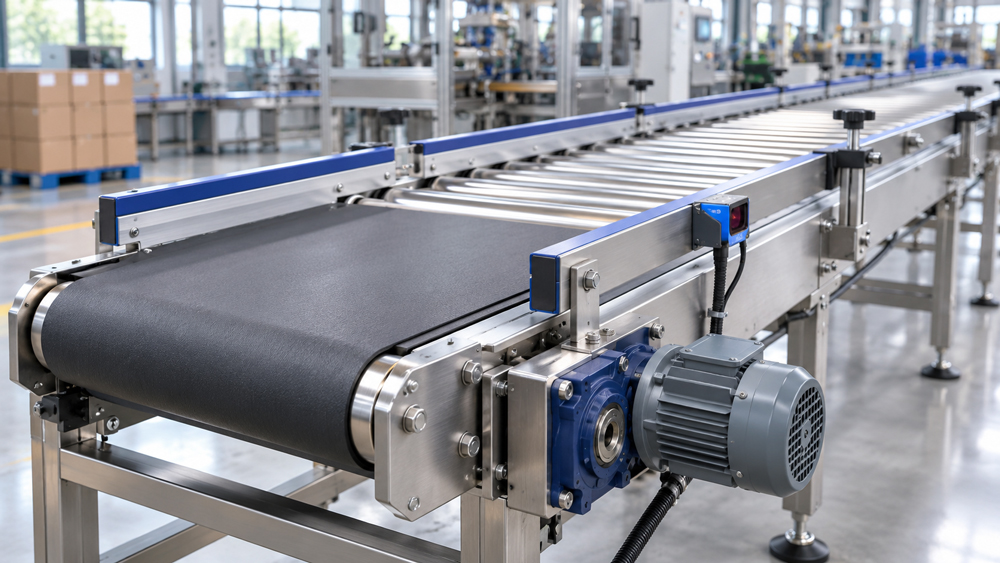
Modern automated conveyor systems rely on sensors to detect products, manage accumulation, control movement, and communicate with other equipment.
A malfunctioning sensor can cause unexpected stops, inaccurate product counts, and synchronization issues.
Common causes include
- Dirty or obstructed sensor lenses
- Improper sensor alignment
- Loose or damaged wiring
- Incorrect sensor configuration
- Sensor failure
How to Prevent Sensor Problems
Incorporate sensor inspections into your conveyor maintenance schedule. Keep sensors clean, verify proper alignment, and have qualified technicians investigate recurring detection or communication errors.
5. Motor and Drive Issues
Motors, gearboxes, and variable frequency drives (VFDs) provide the power and control necessary to move products through a conveyor system.
Problems with these components can result in inconsistent speeds, overheating, unexpected shutdowns, or complete equipment failure.
Common causes include
- Excessive mechanical loads
- Electrical faults
- Insufficient ventilation
- Worn drive components
- Incorrect motor or drive sizing
How to Prevent Motor and Drive Issues
Monitor operating temperatures, equipment fault codes, and changes in motor performance. Ensure conveyor loads remain within equipment specifications and schedule regular inspections of drive components.
If production requirements change, evaluate whether existing motors and drives have sufficient capacity.
| Problem | Common Warning Signs | Preventive Measures |
|---|---|---|
| Belt mistracking | Uneven wear, belt drifting | Alignment and tension inspections |
| Product jams | Bottlenecks, frequent stops | Evaluate spacing and transfer points |
| Bearing failures | Noise, vibration, overheating | Lubrication and wear monitoring |
| Sensor problems | Detection errors, unexpected stops | Cleaning and alignment inspections |
| Motor and drive issues | Overheating, speed fluctuations | Load and performance monitoring |
Preventive Conveyor Maintenance Best Practices
A proactive conveyor maintenance program helps identify developing problems before they interrupt production.
Consider incorporating the following into your maintenance program.
- Perform regular visual equipment inspections.
- Monitor unusual noises, temperatures, and vibrations.
- Inspect belts, chains, rollers, and bearings for wear.
- Follow manufacturer-recommended lubrication schedules.
- Maintain accurate service and repair records.
- Keep critical replacement parts available.
- Train employees to recognize and report equipment problems.
Maintenance and repair activities should follow established equipment safety and lockout/tagout procedures.
When Should You Repair or Upgrade Your Conveyor System?
While routine maintenance can resolve many common conveyor problems, recurring failures may indicate that a system is no longer suited to current production requirements.
Frequent downtime, increasing repair costs, limited throughput, and difficulty sourcing replacement components are all reasons to evaluate potential equipment upgrades.
A conveyor system assessment can help determine whether targeted repairs, component upgrades, or a redesigned material handling solution offer the greatest long-term value.
Improve Conveyor Reliability and Reduce Downtime
Addressing conveyor problems early can help protect equipment, minimize production interruptions, and improve operational efficiency.
Whether your facility is experiencing recurring conveyor failures or looking to improve an existing automated material handling system, evaluating your equipment and maintenance practices is an important first step.
FAQs About Common Conveyor Problems
The most common conveyor problems include belt mistracking, product jams, bearing and roller failures, sensor malfunctions, and motor or drive issues.
Frequent conveyor stops can result from product jams, sensor errors, motor overloads, mechanical resistance, or communication problems between connected equipment.
Conveyor maintenance frequency depends on equipment specifications, operating hours, workload, and environmental conditions. Follow manufacturer-recommended maintenance intervals and adjust them based on operating experience.
Common causes include improper belt tension, misaligned rollers, material buildup, excessive loads, and friction against surrounding components.
Manufacturers can reduce conveyor downtime through preventive maintenance, condition monitoring, operator training, timely component replacement, and stocking critical spare parts.
Want to Know More About Improving Conveyor Reliability?
Whether you’re experiencing recurring conveyor problems or looking to improve the performance of your existing material handling system, Automation Ideas can help identify opportunities to reduce downtime and improve operational efficiency.
Contact our team to discuss your conveyor system needs and explore solutions tailored to your facility.