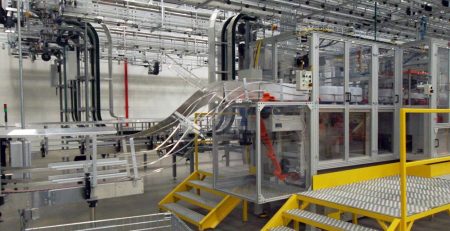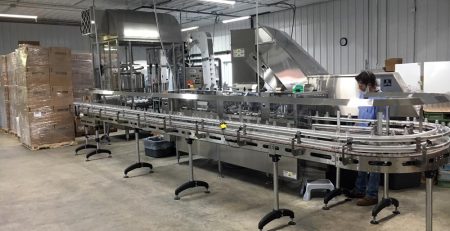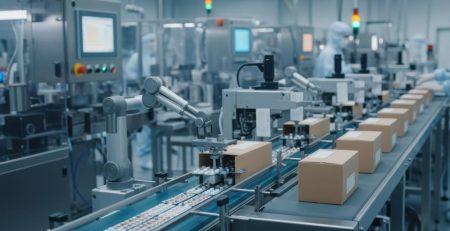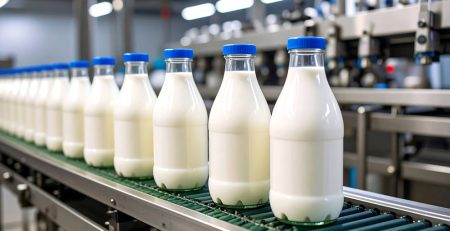
In manufacturing, efficiency isn’t determined by your fastest machine—it’s determined by your slowest process. A packaging line can include dozens of interconnected components working together, from material handling systems and conveyors to filling, labeling, case packing, and palletizing equipment. When one area can’t keep pace with the rest of the operation, it creates a bottleneck that limits overall throughput.
The challenge is that bottlenecks aren’t always obvious. Production may continue moving, but hidden inefficiencies can quietly reduce output, increase labor costs, and create unnecessary wear on equipment. Over time, these issues compound, making it harder to meet production goals and customer demand.
The good news is that most bottlenecks can be identified and corrected before they significantly impact production. By taking a proactive approach, manufacturers can improve throughput, reduce downtime, and maximize the return on their equipment investments.
What Is a Packaging Line Bottleneck?
A bottleneck is any point in the production process where product flow is restricted, causing upstream equipment to slow down or downstream equipment to sit idle.
Think of a bottleneck as the narrowest point in a funnel. No matter how much product enters the system, output is limited by the slowest section of the line.
For example:
- A filler capable of processing 300 bottles per minute may be feeding a labeling system that can only handle 220 bottles per minute.
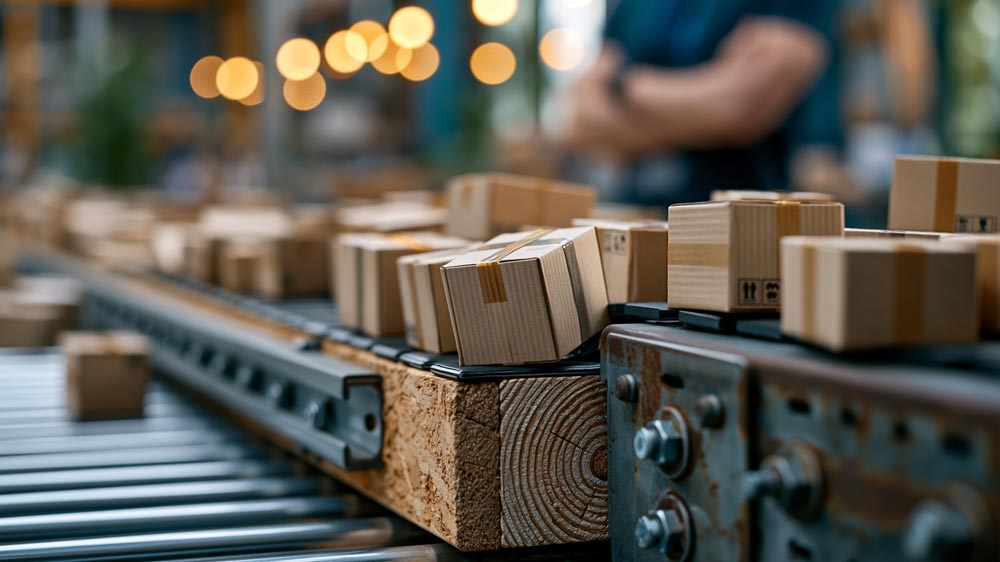
- A conveyor may become overloaded because accumulation capacity is insufficient.
- Operators may struggle to manually load materials quickly enough to keep automated equipment running at full speed.
In each case, the overall line performs at the speed of the bottleneck rather than the speed of its fastest equipment.
Common Signs of a Bottleneck
Many bottlenecks reveal themselves through operational symptoms before they become major production problems.
Some common warning signs include:
Frequent Product Accumulation
If products consistently pile up in one area of the line, it’s often a sign that downstream equipment cannot keep pace with production.
Accumulation isn’t necessarily bad. In fact, accumulation systems are designed to absorb minor disruptions. However, excessive or recurring buildup may indicate a larger issue that requires attention.
Idle Equipment
If operators notice equipment repeatedly waiting for product, a bottleneck may exist earlier in the process.
For example, a case packer that frequently runs empty may indicate that upstream conveyors, orienters, or fillers are limiting production.
Increased Downtime
Unplanned stoppages often occur when bottlenecks place excessive stress on equipment.
Motors, sensors, conveyors, and transfer systems may experience more wear when forced to repeatedly start and stop due to inconsistent product flow.
Excessive Manual Intervention
If operators frequently need to clear jams, reposition products, or adjust equipment settings, there may be underlying flow issues contributing to reduced efficiency.
Start With a Throughput Analysis
One of the most effective ways to identify bottlenecks is by measuring throughput at each stage of the packaging process.
Document:
- Designed equipment capacity
- Actual production rates
- Downtime events
- Changeover durations
- Product flow interruptions
Many manufacturers are surprised to discover significant differences between rated equipment speeds and real-world performance.
A machine designed for 250 units per minute may only be producing 180 units per minute due to upstream or downstream constraints.
When each section of the line is evaluated independently, bottlenecks become much easier to identify.
Analyze Conveyor Performance
Conveyors are often overlooked during bottleneck investigations because they aren’t directly involved in filling, labeling, or packaging. However, conveyors play a critical role in maintaining consistent product flow.
Common conveyor-related bottlenecks include:
- Insufficient accumulation capacity
- Improper conveyor speeds
- Poorly designed transfer points
- Excessive curves or elevation changes
- Product instability during transport
A conveyor system should support the entire production process, not simply move products from one machine to another.
If products are frequently backing up or becoming misaligned, conveyor modifications may provide a significant performance improvement.
Evaluate Product Transfers and Orientation
Bottle handling systems, turners, and orienters are often critical components in modern packaging lines.
During high-speed production, even minor inefficiencies in product orientation can create substantial bottlenecks.
Watch for:
- Misaligned containers
- Rejected products
- Frequent jams
- Delays during product changeovers
“Bottlenecks are an unavoidable reality in many packaging operations, but they don’t have to limit productivity. By regularly evaluating throughput, monitoring conveyor performance, analyzing product flow, and leveraging production data, manufacturers can identify inefficiencies before they become serious problems.”
Automated bottle handling solutions can often improve flow consistency while reducing the need for manual intervention.
The smoother the transition between production stages, the more efficiently the entire line operates.
Review Changeover Times
Production bottlenecks aren’t limited to active production periods.
Many facilities lose significant productivity during product changeovers.
If switching between bottle sizes, packaging formats, or product types requires lengthy adjustments, valuable production time is being lost.
Evaluate:
- Time required to adjust guide rails
- Equipment setup procedures
- Label and packaging changes
- Operator involvement
Modern automation solutions often include recipe-based controls and automatic adjustments that significantly reduce changeover times.
Even small improvements can add up to substantial productivity gains throughout the year.
Use Data to Identify Hidden Inefficiencies
Many bottlenecks are difficult to detect through observation alone.
Data collection tools can provide valuable insights into equipment performance and production flow.
Metrics worth tracking include:
- Overall Equipment Effectiveness (OEE)
- Downtime frequency
- Mean Time Between Failures (MTBF)
- Production rates
- Reject rates
- Accumulation frequency
By analyzing trends over time, manufacturers can identify recurring issues before they escalate into major disruptions.
Data-driven decision-making helps prioritize improvement projects and maximize return on investment.
Examine Labor-Dependent Processes
Manual operations often become bottlenecks as production volumes increase.
Tasks such as:
- Hand packing
- Manual palletizing
- Product inspection
- Material loading
may perform adequately at lower volumes but struggle during peak production periods.
As demand grows, automation can help eliminate these constraints while improving consistency and reducing labor dependency.
Don’t Ignore Seasonal Demand Changes
Many manufacturers experience seasonal spikes that place additional strain on packaging lines.
A system that performs well during average production periods may struggle when volumes increase.
Before peak seasons arrive, evaluate:
- Current throughput limitations
- Available accumulation capacity
- Equipment maintenance status
- Staffing requirements
- Spare parts inventory
Proactively addressing bottlenecks before demand increases can prevent costly disruptions later.
Prioritize Improvements Based on Impact
Not every bottleneck requires a major capital investment.
In some cases, simple adjustments to conveyor speeds, accumulation strategies, or equipment settings can deliver significant improvements.
When evaluating potential upgrades, focus on:
- Expected throughput gains
- Downtime reduction
- Labor savings
- Product quality improvements
- Long-term scalability
The goal is to eliminate the constraints that have the greatest impact on overall production performance.
FAQs About Bottlenecks in Your Packaging Line
Conveyor accumulation issues, equipment speed mismatches, and manual handling processes are among the most common bottlenecks found in packaging operations.
Look for recurring product backups, excessive accumulation, frequent jams, or equipment sitting idle waiting for product. These are often signs of conveyor-related flow restrictions.
Throughput analysis measures the production rate at each stage of the packaging process to identify where output is being restricted.
Automation can significantly reduce many bottlenecks by improving product flow, reducing manual intervention, shortening changeovers, and increasing consistency across the line.
Many manufacturers conduct formal reviews quarterly, while continuously monitoring production data throughout the year to identify emerging issues.
Overall Equipment Effectiveness (OEE) measures availability, performance, and quality. Low OEE scores often reveal equipment or processes that are limiting production.
Avoid Bottlenecks in Your Packaging Line
Bottlenecks are an unavoidable reality in many packaging operations, but they don’t have to limit productivity. By regularly evaluating throughput, monitoring conveyor performance, analyzing product flow, and leveraging production data, manufacturers can identify inefficiencies before they become serious problems.
Whether the issue stems from accumulation challenges, equipment limitations, lengthy changeovers, or manual processes, addressing bottlenecks proactively helps improve throughput, reduce downtime, and create a more reliable operation.
The most successful manufacturers don’t wait for bottlenecks to disrupt production. They continuously evaluate their packaging lines, identify opportunities for improvement, and make strategic investments that support long-term growth.
If you are interested in our automation equipment, please contact us here or give our dedicated support team a call at (616) 874-4041.