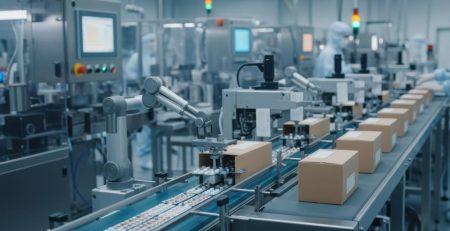
Maintaining reliable production performance requires a proactive approach—especially when preparing for future demand cycles. While peak production often occurs in late Q4 and early Q1, the months leading up to those periods provide a valuable opportunity to focus on preventative maintenance. Instead of reacting to unexpected breakdowns during your busiest times, now is the time to take a structured approach to keeping your equipment running at peak performance.
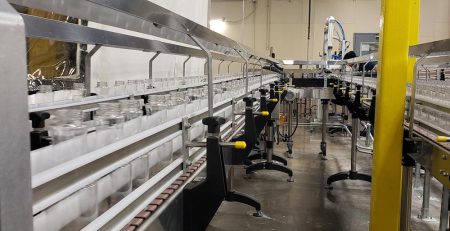
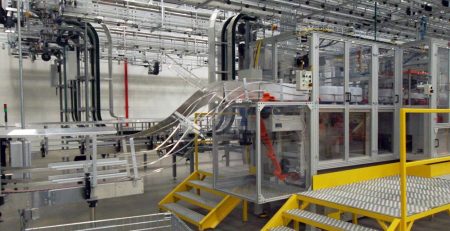
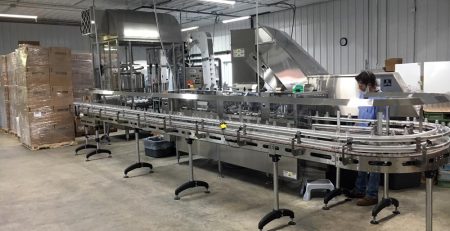
Baggers, debaggers, and conveyor systems are core components of modern packaging lines. They are responsible for moving, organizing, protecting, and preparing products for downstream processing. When any one of these systems fails, the ripple effect can halt entire operations, delay shipments, and create unnecessary stress on production teams.
A well-executed preventative maintenance strategy reduces these risks. It helps extend equipment life, improve reliability, and ensure your operation is prepared to meet upcoming production demands with confidence.
Why Preventative Maintenance Is Critical for Packaging Operations
Preventative maintenance focuses on identifying potential issues before they turn into costly failures. Unlike reactive maintenance—which only addresses problems after they occur—preventative strategies are designed to keep systems running consistently and predictably.
For baggers, debaggers, and conveyors, the benefits are significant:
- Reduced unplanned downtime during peak production periods
- Lower long-term repair and replacement costs
- Improved product quality and consistency
- Safer working conditions for operators
- Increased overall equipment effectiveness (OEE)
Even small improvements in uptime can translate into substantial gains when production volumes increase.
1.) Build a Structured Maintenance Plan
The first step in maximizing uptime is creating a clear, documented maintenance schedule. Taking time to perform a full system review during stable production periods allows teams to identify issues without the pressure of peak demand.
Start by identifying all critical assets across your packaging line, including:
- Bagging machines (manual, semi-automatic, or fully automated)
- Debagging systems and infeed mechanisms
- Conveyor belts, chains, and drive systems
- Accumulation tables and transfer points
From there, assign maintenance intervals based on usage, manufacturer recommendations, and historical performance data. Prioritize equipment that has experienced past failures or frequent adjustments.
A structured plan ensures nothing is overlooked and allows maintenance teams to work efficiently without disrupting production unnecessarily.
2.) Inspect and Replace Wear Components Early
Mechanical wear is one of the most common causes of downtime. Components such as belts, chains, bearings, rollers, and guide rails naturally degrade over time—especially in high-speed or high-volume environments.
Key areas to inspect include:
- Conveyor belt tracking and tension
- Chain elongation or wear
- Roller alignment and rotation
- Bearings for noise, vibration, or heat
- Bagging components such as grippers, cutters, and sealing elements
Replacing worn parts before failure is far more cost-effective than emergency repairs. It also prevents secondary damage to surrounding components.
3.) Optimize Lubrication for Performance and Longevity
Proper lubrication is essential for minimizing friction and preventing premature wear. Seasonal temperature changes can impact lubricant performance, making it important to review lubrication practices regularly.
Best practices include:
- Using lubricants appropriate for your operating environment
- Following manufacturer-recommended lubrication intervals
- Avoiding over-lubrication, which can attract dust and debris
- Monitoring lubrication points for signs of dryness or buildup
Well-lubricated systems run smoother, consume less energy, and experience fewer mechanical failures.
4.) Clean Systems to Prevent Performance Issues
Dust, debris, and product residue can accumulate on equipment over time, especially in bagging and debagging operations where packaging materials are frequently handled.
Routine cleaning should include:
- Conveyor surfaces and frames
- Photoeyes and sensors
- Bagging and debagging mechanisms
- Accumulation zones where product buildup occurs
In food and beverage environments, sanitation is even more critical. Clean systems not only perform better but also reduce the risk of contamination and product defects.
“By implementing preventative maintenance strategies for baggers, debaggers, and conveyors, manufacturers can significantly reduce downtime, improve efficiency, and extend the life of their equipment.”
5.) Test Electrical and Control Systems Thoroughly
Electrical issues can be difficult to detect until they cause a shutdown. Regular inspection and validation of control systems helps ensure reliable performance.
Focus on:
- Wiring integrity and secure connections
- PLC and HMI functionality
- Sensor calibration and responsiveness
- Emergency stop systems and safety circuits
Verifying these systems ensures your line can operate safely and efficiently under increased production loads.
6.) Calibrate Baggers and Debaggers for Accuracy
Precision is essential in bagging and debagging operations. Misalignment, improper cutting, or inconsistent handling can slow production and increase waste.
Maintenance tasks should include:
- Adjusting bag opening and sealing mechanisms
- Verifying container orientation and flow
- Testing automation sequences for consistency
- Ensuring smooth transfer between bagging and conveying systems
Calibration improves efficiency and reduces the need for manual intervention during production runs.
7.) Implement Predictive Maintenance Technologies
Many facilities are moving beyond basic preventative maintenance and incorporating predictive tools that provide real-time insights into equipment health.
Examples include:
- Vibration monitoring to detect bearing wear
- Thermal imaging to identify overheating components
- Load monitoring to detect abnormal strain
- IoT-enabled systems that track performance trends
These technologies allow maintenance teams to address issues before they impact production, further reducing downtime risk.
8.) Stock Critical Spare Parts
Supply chain delays can turn minor repairs into major disruptions. Maintaining an adequate inventory of critical spare parts ensures faster response times when issues arise.
Critical components to stock may include:
- Belts and chains
- Bearings and rollers
- Sensors and electrical components
- Bagging machine consumables
Having these parts on hand allows for faster repairs and minimizes downtime during high-demand periods.
9.) Train Teams for Maintenance and Troubleshooting
Equipment performance is only as strong as the people maintaining it. Proper training ensures that operators and maintenance teams can quickly identify and resolve issues.
Training should cover:
- Routine inspection procedures
- Basic troubleshooting techniques
- Safety protocols
- Proper use of diagnostic tools
Cross-training employees can also improve response times when issues arise during off-shifts or peak demand.
10.) Prepare for Future Production Demands
Preventative maintenance should align with upcoming production goals. Evaluating how your equipment performs under increased load helps ensure your line is ready when demand rises.
Preparation steps include:
- Running systems at higher speeds to test performance limits
- Verifying accumulation capacity for peak throughput
- Ensuring all automation systems are synchronized
- Reviewing historical downtime data to address recurring issues
This forward-looking approach ensures your line is not just functional—but optimized—for the months ahead.
Conclusion: A Proactive Approach to Uptime Pays Off
Maximizing uptime requires more than quick fixes—it demands a proactive, structured approach to equipment care. By implementing preventative maintenance strategies for baggers, debaggers, and conveyors, manufacturers can significantly reduce downtime, improve efficiency, and extend the life of their equipment.
Taking advantage of stable production periods to perform maintenance ensures your operation is ready for increased demand. With a well-maintained system in place, your facility can operate with confidence—ready to perform at full capacity without unexpected disruptions.
In a competitive manufacturing environment, uptime is everything. And the facilities that plan ahead are the ones that perform best when it matters most.
If you are interested in our automation equipment, please contact us here or give our dedicated support team a call at (616) 874-4041.