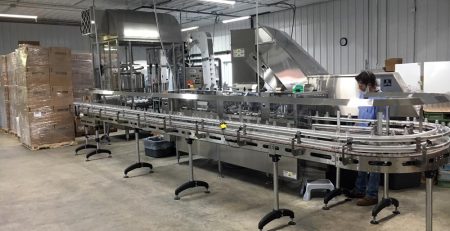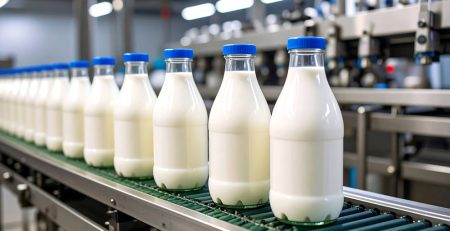
As production demands increase and automation becomes more sophisticated, conveyor systems continue to serve as the backbone of modern manufacturing and packaging operations. With higher speeds, tighter footprints, and more complex integrations, the importance of conveyor safety has never been greater. In 2026, safety is not just about compliance—it is a strategic priority that directly impacts uptime, product quality, and workforce well-being.
Fall is an ideal time to evaluate conveyor safety systems. With many facilities entering a seasonal slowdown or preparing for year-end maintenance, now is the time to identify risks, upgrade critical components, and ensure your operation is ready for peak production periods ahead.
This guide explores the must-have safety features that protect workers and prevent costly downtime in today’s conveyor environments.
Why Conveyor Safety Matters More Than Ever
Conveyors introduce a range of potential hazards, including pinch points, entanglement risks, and high-speed product movement. Even a minor incident can result in injuries, regulatory penalties, and unplanned downtime.
In 2026, safety expectations have evolved to include:
- Proactive hazard prevention
- Real-time monitoring and alerts
- Integration with plant-wide control systems
- Reduced reliance on manual intervention
Investing in modern safety features not only protects employees but also ensures consistent, uninterrupted production.
1.) Advanced Guarding Systems
Physical guarding remains one of the most effective ways to prevent injuries. However, modern guarding systems go beyond basic barriers.
Key Features to Look For:
- Modular guarding panels that can be easily removed for maintenance
- Interlocked access doors that automatically stop conveyors when opened
- Transparent panels for visibility without sacrificing protection
- Custom-fit guarding for complex conveyor layouts
Proper guarding minimizes exposure to moving parts while allowing operators to safely monitor system performance.
2.) Emergency Stop Systems (E-Stops)
Emergency stop systems are a critical safety component, providing immediate shutdown capability in hazardous situations.
Best Practices for 2026:
- Install pull-cord emergency stops along the full length of conveyors
- Ensure easy access to stop buttons at all operator stations
- Use redundant circuits for increased reliability
- Test E-stop functionality regularly as part of maintenance routines
A well-designed E-stop system ensures rapid response and can prevent minor issues from escalating into serious incidents.
3.) Light Curtains and Presence-Sensing Devices
Light curtains are increasingly common in high-speed or high-risk conveyor zones. These systems create an invisible barrier that stops equipment when the beam is interrupted.
Applications Include:
- Palletizing and depalletizing zones
- Robotic integration areas
- High-speed transfer points
Unlike physical guarding, light curtains allow for operator interaction while maintaining a high level of safety.
4.) Safety Interlocks and Access Control
Interlock systems ensure that conveyors cannot operate when guards are removed or access points are open.
Benefits:
- Prevents accidental startup during maintenance
- Ensures compliance with safety regulations
- Reduces reliance on operator judgment
Modern systems integrate interlocks with PLC controls, allowing for detailed monitoring and reporting of safety events.
“By investing in advanced safety features such as guarding, emergency stops, light curtains, and predictive maintenance systems, manufacturers can protect their workforce while reducing downtime and improving efficiency.”
5.) Predictive Maintenance and Condition Monitoring
Safety and reliability go hand in hand. Equipment failures can create hazardous conditions, making predictive maintenance a critical safety tool.
Technologies to Consider:
- Vibration sensors to detect bearing wear
- Thermal imaging for identifying overheating components
- Load monitoring systems to detect abnormal strain
- IoT-enabled alerts for real-time issue detection
By identifying issues early, predictive maintenance reduces the risk of sudden failures that could endanger workers.
6.) Smart Controls and System Integration
Modern conveyor systems rely on intelligent control systems to manage safety and performance.
Key Capabilities:
- Integration with PLC and HMI systems
- Automated shutdown protocols
- Real-time diagnostics and alerts
- Data tracking for safety incidents and near misses
Smart controls enable faster response times and provide valuable insights for continuous improvement.
7.) Ergonomic Design and Operator Safety
Safety is not limited to preventing accidents—it also includes reducing strain and fatigue.
Considerations:
- Adjustable conveyor heights
- Reduced need for manual lifting or repositioning
- Clear access points for maintenance
Improved ergonomics lead to fewer injuries and higher productivity.
8.) Training and Safety Culture
Even the most advanced systems require proper training. Operators and maintenance teams must understand how to use safety features effectively.
Best Practices:
- Conduct regular safety training sessions
- Update standard operating procedures
- Encourage reporting of near misses
A strong safety culture ensures that technology is used correctly and consistently.
9.) Fall Maintenance Checklist for Conveyor Safety
Use the fall season to conduct a thorough safety audit:
- Inspect all guarding and interlocks
- Test emergency stop systems
- Verify light curtain alignment and functionality
- Review control system alerts and logs
- Replace worn or damaged components
- Update safety documentation and training materials
This proactive approach prepares your operation for peak production periods.
Conclusion: Safety as a Performance Strategy
In 2026, conveyor safety is more than a regulatory requirement—it is a critical component of operational excellence. By investing in advanced safety features such as guarding, emergency stops, light curtains, and predictive maintenance systems, manufacturers can protect their workforce while reducing downtime and improving efficiency.
A safer conveyor system is a more reliable conveyor system. And in today’s competitive manufacturing environment, reliability is everything.
If you are interested in our automation equipment, please contact us here or give our dedicated support team a call at (616) 874-4041.
Conclusion: Safety as a Performance Strategy
In 2026, conveyor safety is more than a regulatory requirement—it is a critical component of operational excellence. By investing in advanced safety features such as guarding, emergency stops, light curtains, and predictive maintenance systems, manufacturers can protect their workforce while reducing downtime and improving efficiency.
A safer conveyor system is a more reliable conveyor system. And in today’s competitive manufacturing environment, reliability is everything.
If you are interested in our automation equipment, please contact us here or give our dedicated support team a call at (616) 874-4041.